
The United States remains a global hub for higher education, attracting thousands of students who aspire to build a successful career in law and other academic fields. Selecting the right law school or college is a crucial step towards securing a promising future, especially in fields like corporate law, intellectual property law, and criminal justice. This article explores top law universities, education trends, and valuable insights for prospective students in the USA.
Why Choose a Law Degree in the USA?
Law degrees in the USA are highly valued worldwide due to their rigorous curriculum and diverse specialization options. Whether you are aiming to become a trial lawyer, a legal consultant, or pursue an academic career, studying law in an American university offers unmatched opportunities. Key benefits include access to experienced faculty, cutting-edge legal research, and extensive internship programs with reputed law firms.
High Demand Fields in Legal Education
- Corporate Law
- Intellectual Property Law
- Environmental Law
- Family Law
- Criminal Justice
Many students pursue specialized degrees such as Master of Laws (LLM) or Juris Doctor (JD) to improve their job prospects. The USA also offers excellent scholarship options and financial aid, making legal education accessible to international students.
Top Law Universities in the USA
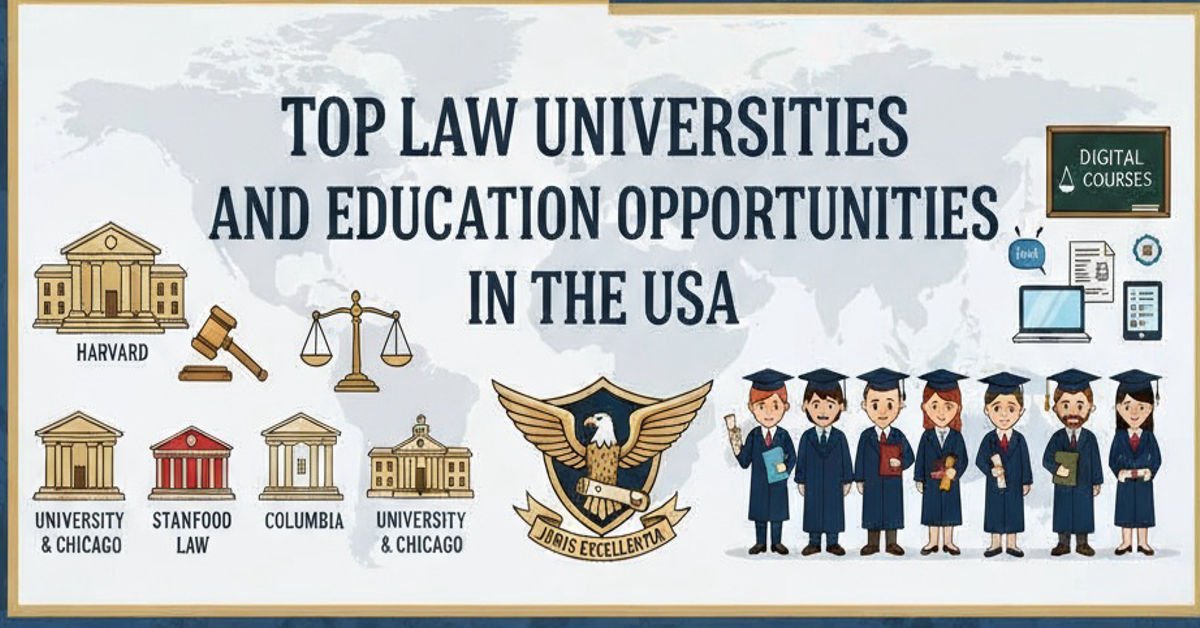
Choosing the right law university is a decisive factor for long-term success. Some of the highest-ranked law schools in the USA, known for their extensive alumni networks and excellent bar exam passing rates, include:
- Harvard Law School – Renowned for its case method teaching and extensive resources.
- Yale Law School – Famous for its academic rigor and research opportunities.
- Stanford Law School – Known for innovation, especially in technology and intellectual property law.
- Columbia Law School – Strong corporate and international law programs.
- University of Chicago Law School – Excellence in law and economics.
Each of these universities provides a unique environment with widespread job placement assistance and high annual salaries for graduates, contributing to some of the highest CPC (Cost Per Click) advertising keywords related to legal education.
How to Select the Best College For Your Education
The process of selecting the perfect university or college involves multiple considerations:
- Accreditation: Verify the school’s accreditation by the American Bar Association (ABA).
- Curriculum and Specializations: Look for programs that offer the legal fields you want to specialize in.
- Location: Consider universities in states with booming legal markets like New York, California, and Texas.
- Financial Aid and Scholarships: Check for scholarships specifically for law students and education grants.
- Internship and Career Services: Practical experience through internships is key to employability.
Balancing these factors will help you maximize the return on investment for your college education.
Financial Aspects of Legal Education
Law school tuition in the USA can be a substantial investment. On average, private law schools charge annual fees between $50,000 and $70,000, while public universities offer in-state tuition between $20,000 and $40,000. However, the potential salary of law graduates offsets this cost.
The median annual salary for lawyers in the USA is approximately $130,000, with top earners making substantially more. Fields such as corporate law and intellectual property law often yield the highest incomes.
Financial aid options include:
- Federal student loans with flexible repayment terms
- Merit-based scholarships targeting law students
- Grants and fellowships for minority students and women
- Work-study programs integrated with practical legal experience
Career Opportunities After Law School
Holding a law degree from a reputed university opens doors to numerous career paths:
- Private law firms specializing in various branches such as corporate, criminal, or family law
- Government agencies including prosecutors’ offices and public defenders
- Corporate sector roles in legal compliance and contract management
- Judicial clerkships providing invaluable courtroom experience
- Academic roles in law teaching and research
Many law graduates also pursue further specialization or certifications in niche areas to increase their competitive advantage.
Emerging Trends in US Legal Education
Technology integration is reshaping law education. Schools are increasingly offering courses in legal technology, data privacy, and cyber law. Remote learning options have also expanded, allowing students from all over the world to access quality education from top American universities.
Additionally, interdisciplinary programs combining law with business, healthcare, or environmental studies are gaining popularity. This approach prepares graduates for the complex challenges of modern legal practice.
Final Word
Law education in the USA remains highly competitive but rewarding. Prospective students should carefully evaluate universities based on accreditation, specialization, location, and financial aid options. Choosing a top law university not only ensures quality education but also enhances your career prospects in diverse legal fields such as corporate law, criminal justice, and intellectual property law.
To succeed, focus on schools with strong internship programs, robust alumni networks, and emerging legal technology courses. With proper planning and investment, a law degree from a reputed US university can be your gateway to a lucrative and fulfilling career.
To contact us click Here .